Amy Winehouse's relationship with Camden was more than a simple matter of residence; it was a defining bond that shaped both the artist and the neighbourhood she called home. From her first property purchase in 2003 until her death in 2011, the north London borough provided the backdrop for her rise to stardom, her creative life, and her enduring legacy.
Three Camden Addresses, One Lifetime
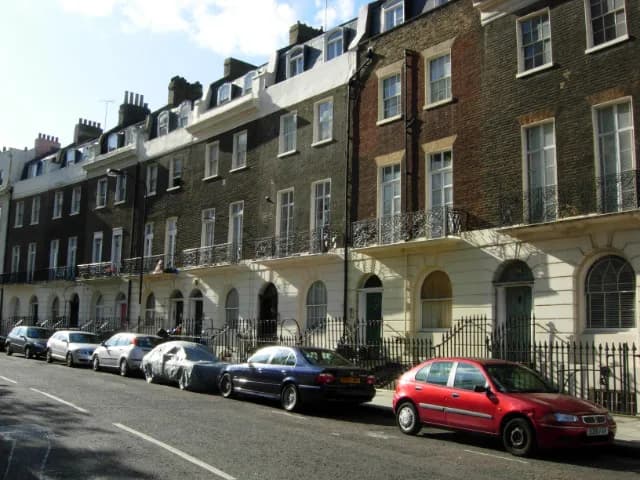
Winehouse's connection to Camden began in earnest in 2003 when she bought her first flat at 2 Jeffrey's Place. Five years later, in 2008, she moved to 25 Prowse Place. Her final move came in 2010 to 30 Camden Square, the townhouse where she was found dead on 23 July 2011 from accidental alcohol poisoning.
The Camden Square property became a site of unintended pilgrimage following her death. When her family placed the house on the market in May 2012 for £2.7 million, the surrounding area saw an unexpected consequence: at least fourteen "Camden Square" street signs were stolen by fans seeking memorabilia, costing Camden Borough Council over £4,000 to replace.
The Hawley Arms: Local Pub, Global Fame
No Camden establishment is more closely associated with Winehouse than The Hawley Arms, the pub at 2 Castlehaven Road within Camden Market. Dating from 1851, the venue had evolved from a biker bar in the 1980s and 1990s into an indie music hub by the 2000s. Winehouse was a regular until her death, and the pub remains central to her Camden story.
The Hawley Arms itself became headline news on 9 February 2008, when a major fire erupted in an alleyway behind the building. Ignited by a liquefied petroleum gas heater in a clothes stall, the blaze began at 7:00 p.m. and devastated Camden Market whilst severely damaging the pub.
Three days later, at the 50th Annual Grammy Awards on 10 February 2008, Winehouse won five Grammys and delivered a defiant dedication from London's Riverside Studios, where she had performed via satellite at 3 a.m. UK time. "This is for London because Camden Town ain't burning down," she declared, cementing her public bond with the area at the height of her international success.
A Statue for "The Queen of Camden"
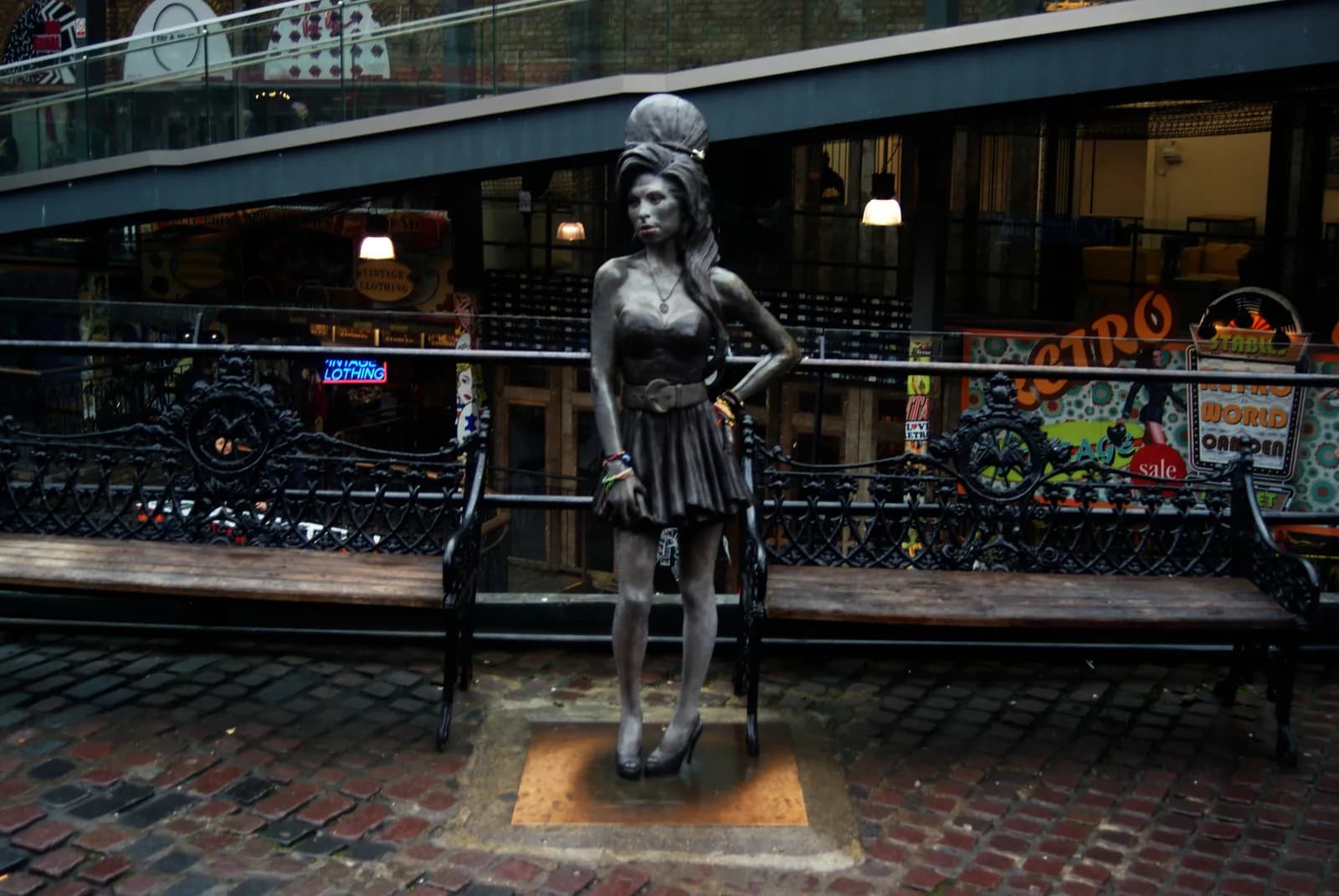
Since her death, Winehouse has been known as "The Queen of Camden", a title reflected in the lasting memorials to her life. The most prominent is a life-size bronze statue unveiled at Stables Market, Camden, on 14 September 2014 — what would have been her 31st birthday.
The 1.59-metre sculpture, created by artist Scott Eaton, depicts Winehouse with her hand on her hip, wearing high heels and her signature beehive hairstyle, complete with a Star of David necklace. Actress Barbara Windsor unveiled the work in the presence of Winehouse's parents, Mitch and Janis.
Camden Council made an exception to its usual rule that statues are only permitted for people dead at least twenty years, recognising the exceptional nature of Winehouse's local significance. The original proposal had been for the Roundhouse, the Grade II*-listed former railway engine shed in nearby Chalk Farm, but Stables Market was chosen for its superior public accessibility.
"Amy was in love with Camden and it is the place her fans from all over the world associate her with," Mitch Winehouse said at the unveiling. Janis Winehouse added: "Camden is Amy's place, it's where she belongs." Barbara Windsor echoed this sentiment: "Amy loved Camden with a passion and Camden loved her so it's only right her presence should remain here."
Fans, Pilgrims, and Controversies
The statue unveiling drew admirers from across the globe. One fan, Marcello Forelli, travelled from Venice with an Amy Winehouse portrait tattooed on his chest. The event demonstrated the international reach of Winehouse's connection to this particular corner of London.
However, her legacy has not been without controversy. In February 2024, the statue was at the centre of an antisemitic incident when a pro-Palestine sticker was placed over the Star of David necklace depicted on the sculpture. Environment Secretary Steve Barclay called the act "deeply concerning".
Beyond the statue, the Amy Winehouse Foundation, established by her family after her death, continues to support young people facing challenges including addiction, carrying her name into charitable work across London and beyond.
Camden's Music Heritage
Winehouse's story is inseparable from Camden's broader identity as a centre of alternative culture and live music. The borough's venues — including the 1,500-capacity Electric Ballroom on Camden High Street, The Underworld beneath The World's End pub, and the Roundhouse — formed the ecosystem within which her career flourished.
Camden Market, which attracts approximately 250,000 visitors each week and ranks as London's fourth-most popular visitor attraction, provided not just commerce but cultural energy. For Winehouse, this environment of independent shops, music venues, and street life offered both anonymity and inspiration.
A Legacy Written in Camden Stone
From Jeffrey's Place to Prowse Place to Camden Square, Winehouse's residential journey traced a path through the heart of the borough. From The Hawley Arms to Stables Market, her social and memorial footprints remain visible to residents and visitors alike.
The borough that shaped her sound and style continues to embrace her memory, not merely as a famous former resident but as an intrinsic part of Camden's cultural identity. In the words of her mother, Camden is where she belongs — and where, through bronze and memory, she remains.